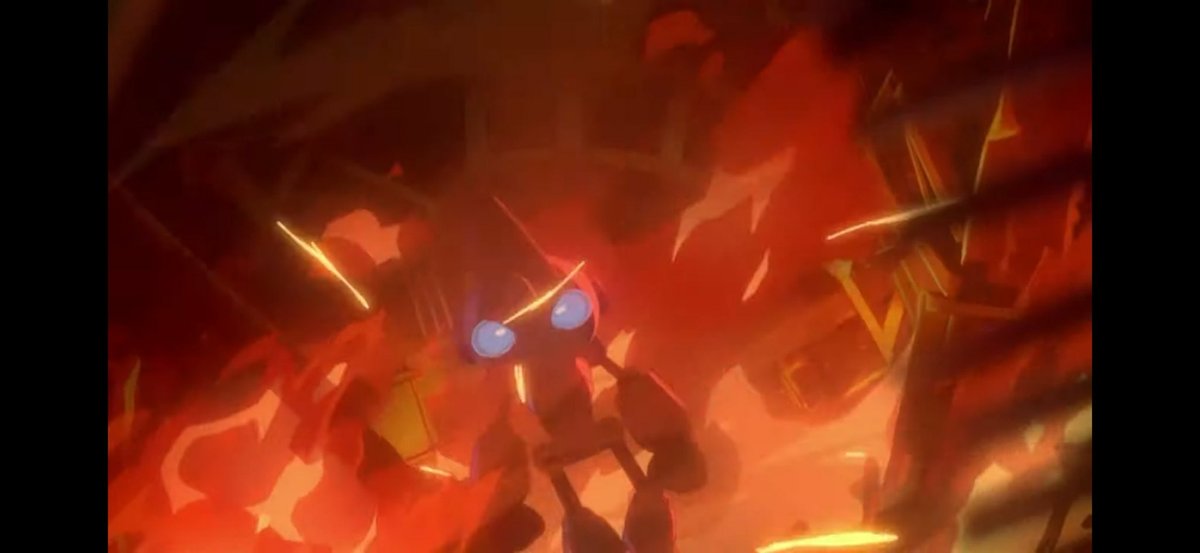
If you've been following the enigmatic journey of Shadow the Hedgehog, you know his past is a labyrinth of trauma, forgotten promises, and the weight of being the Ultimate Lifeform. Now, with "Sonic X Shadow Generations: Dark Beginnings," that labyrinth is getting a stark, compelling new light, fundamentally altering how 'Dark Beginnings' themes influence Sonic X Shadow Generations' narrative and gameplay. This isn't just a prequel; it's an essential narrative bridge, reimagining Shadow's foundational lore and setting the stage for his most personal conflict yet within the upcoming game.
Forget mere exposition. This three-episode animated web-series dives deep into the memories that haunt Shadow, revealing the raw emotional core that drives his relentless pursuit of truth. It's a critical piece of the puzzle, giving players a richer understanding of his motivations and transforming his gameplay experience from a simple power fantasy into a nuanced exploration of his identity.
At a Glance: What 'Dark Beginnings' Changes for You
- Emotional Foundation: The series establishes Shadow's current mental state, driven by vivid, haunting memories and nightmares.
- Narrative Catalyst: It introduces the "force he believed destroyed," directly setting up the main conflict for the Sonic X Shadow Generations game.
- Deep Lore Integration: Explains Shadow's absence from Sonic's birthday in the original Generations and his eventual appearance.
- Expanded Canon: Confirms details like Abraham Tower's name, Maria's illness, and Shadow's awareness of his Black Arms origins.
- Team Dark's Bond: Reinforces the crucial dynamic and loyalty within Team Dark (Shadow, Rouge, Omega) as they embark on this quest.
- Gameplay Potential: Opens doors for unique level designs, ability interpretations, and story choices influenced by Shadow's traumatic past.
Beyond the Prequel: Why 'Dark Beginnings' Matters So Much
"Sonic X Shadow Generations: Dark Beginnings" isn't just an optional watch; it's the beating heart of the upcoming game's story for Shadow. Directed by Christopher Luc and Kevin Molina-Ortiz, and executive produced by Yukio Kusumoto with a script by long-time Sonic lore master Ian Flynn, this series delivers a potent narrative punch that transcends typical game tie-ins. It's telling that this is the first tie-in animation for a Sonic game where Sonic himself doesn't even appear – a testament to the laser focus on Shadow's untold story.
The series, which even garnered a Webby Award for “Video & Film - Branded Entertainment in Animation,” meticulously details Shadow's journey as he grapples with fragmented memories and a persistent sense of dread. Haunted by a force he believed to be vanquished, he seeks answers on the Space Colony ARK, accompanied by his steadfast allies, Rouge the Bat and E-123 Omega. This quest is fraught with conflict, not just with Dr. Eggman and G.U.N., but also within Shadow himself, as he confronts a past he thought was buried. This isn't just backstory; it's the very ignition point for the game's plot, ensuring that every subsequent action Shadow takes is laden with profound personal weight. For a deep dive into the animated series itself, check out Sonic X Shadow Generations: Dark Beginnings.
The Echoes of Memory: How Narrative Threads Weave into the Game
The narrative influence of "Dark Beginnings" on Sonic X Shadow Generations is profound, establishing emotional stakes and filling critical lore gaps that will resonate throughout the gameplay experience.
Shadow's Haunted Mind: The Catalyst for Conflict
The core premise of "Dark Beginnings" — Shadow being plagued by vivid memories and nightmares, prompted by a force he believed destroyed — is the narrative linchpin for the game. Imagine playing as Shadow, not just because he's fast and powerful, but because every spindash and Chaos Blast is fueled by a desperate search for answers or a surge of fragmented trauma. The game’s central conflict is almost certainly an direct consequence of this "force" re-emerging, forcing Shadow to confront his past head-on. This isn't just a generic villain; it's a personal antagonist woven into the fabric of Shadow's being, promising a deeply character-driven story.
Revisiting the ARK & Maria's Enduring Legacy
The Space Colony ARK, a place of both scientific marvel and profound tragedy, serves as a central setting in "Dark Beginnings," particularly in Episode 3, "To the ARK." Shadow's return to this iconic location, a place steeped in his creation and Maria Robotnik's sacrifice, is emotionally charged. Maria herself makes a long-awaited physical appearance (her first in 19 years), depicted with her unnamed terminal illness (Neuro-Immune Deficiency Syndrome in supplementary material), which is shown to be kept in remission by the ARK's low gravity.
Her gentle yet firm influence, her unwavering hope, and the tragic circumstances of her death are not just history lessons; they are the bedrock of Shadow's moral compass. The game will likely leverage this emotional foundation. Perhaps Shadow's resolve will be tested by illusions of Maria, or his path will be guided by the echoes of her final wish. The "promise" he made to her — a recurring theme throughout his character arc — will feel more immediate and impactful to players who've seen the raw, personal moments depicted in the animated series.
Team Dark's Unified Front: Forging Unbreakable Bonds
Team Dark isn't just a collection of characters; they're a family forged in fire. "Dark Beginnings" strengthens the dynamic between Shadow, Rouge the Bat, and E-123 Omega. Rouge's cunning and loyalty, Omega's unwavering combat support and surprising comedic timing – these aren't merely character traits, but aspects of a relationship tested and solidified during their infiltration of a G.U.N. military facility and their perilous journey to the ARK.
Their conflicts with allies and Dr. Eggman in the series deepen their bond, ensuring that their cooperation in the game isn't just a plot device, but a reflection of genuine camaraderie. Players will feel the weight of their combined efforts, knowing these characters have been through significant trials together leading directly into the game's events.
Canon Deep Dive: Bridging the Gaps in Sonic Generations
One of the most satisfying aspects of "Dark Beginnings" for long-time fans is how it elegantly resolves lingering questions from the original Sonic Generations. The series explicitly reveals why Shadow was initially absent from Sonic's birthday party in Sonic Generations and, crucially, why he did stay at the end. This narrative closure provides a seamless transition into the new game, offering a more complete picture of Shadow's whereabouts and motivations during that timeline anomaly.
Furthermore, the series integrates several crucial lore points that enhance the Sonic universe:
- Commander Abraham Tower: The G.U.N. Commander is officially canonized as Abraham Tower, a name previously only seen in the Archie Comics. Roger Craig Smith voices him for the first time, adding a new layer to this antagonistic yet ultimately complex figure.
- Emerl's Return: The fan-favorite Battle Android Emerl makes his first physical appearance in 20 years, a significant nod to Sonic Battle. This suggests a potential role or deeper lore connection within the game, even if only as an easter egg.
- Maria and Gerald Robotnik: Their first physical appearances in 19 years provide a vital visual connection to Shadow's tragic origins.
- G.U.N. Soldiers: Their appearance (first in 17 years) grounds the story in a familiar, if often antagonistic, organizational structure.
- Black Arms Awareness: The series establishes that Shadow was aware of his origins as a Black Arms 50 years prior, deepening his long-standing internal conflict and self-acceptance journey.
- Half-Destroyed Moon: The depiction of the Moon as half-destroyed is a consistent visual cue that anchors the series firmly within the post-Sonic Adventure 2 timeline, maintaining canonical integrity.
Unleashing the Past: 'Dark Beginnings' Shaping Gameplay Mechanics
The narrative foundation laid by "Dark Beginnings" isn't confined to cutscenes and dialogue; it offers fertile ground for innovative and emotionally resonant gameplay mechanics within Sonic X Shadow Generations.
Location, Location, Location: Reclaiming Traumatic Ground
The animated series heavily features the Space Colony ARK and a G.U.N. military facility. It's highly probable that the game will incorporate levels or segments directly inspired by these locations, but with a twist. Instead of just revisiting familiar zones, players might experience them through Shadow's fractured memories. Imagine:
- The ARK as a Shifting Labyrinth: Levels on the ARK could dynamically change, reflecting Shadow's confusion or the way his memories distort reality. Perhaps certain pathways only appear when a specific memory fragment is triggered.
- G.U.N. Facility Infiltration: Gameplay segments could mirror the stealth and combat tactics Team Dark employed in the series, with heightened security and morally ambiguous encounters.
- Flashback Stages: While Generations already has classic stages, "Dark Beginnings" could inspire entirely new "memory stages" that are stylized, perhaps monochromatic or distorted, representing Shadow's direct experiences from 50 years ago, rather than just classic game levels. These could feature unique enemies or environmental hazards tied to his trauma.
Trauma-Driven Abilities & Challenges: The Weight of Power
Shadow's abilities as the Ultimate Lifeform are legendary. "Dark Beginnings" suggests these powers are not just a toolkit, but an extension of his internal struggle. The game could translate this into unique gameplay mechanics:
- Chaos Boost tied to Emotional State: Instead of a generic meter, perhaps Shadow's Chaos Boost or Chaos Control abilities become more powerful or take on different properties when he's reliving a particularly vivid memory or confronting a manifestation of his past trauma.
- Nightmare Sequences: The "nightmares" Shadow experiences in the series could manifest as unique gameplay challenges – distorted enemy patterns, environmental puzzles that require specific memory recall, or even horror-esque segments that break from traditional Sonic gameplay.
- Guardian-like Enemies: The "force he believed destroyed" could have specific manifestations in gameplay, forcing Shadow to adapt strategies based on his past encounters, perhaps requiring the player to understand the nuances of his history to overcome them.
Recontextualized 'Generations' Levels: A New Lens on the Past
While Sonic X Shadow Generations revisits classic levels, "Dark Beginnings" provides a fresh perspective for Shadow's contributions. Classic Shadow stages like Radical Highway or Final Rush won't just be speed challenges; they'll be infused with the emotional weight of his origins and the events that precede the game. Playing through them after watching the series will feel less like a nostalgic trip and more like an ongoing journey of self-discovery, each jump and attack echoing his internal struggle. The "Generations" concept for Shadow isn't just about revisiting game history, but personal history.
Moral Dilemmas & Player Agency: Who is the Ultimate Lifeform?
The conflicts Shadow experiences in "Dark Beginnings" with G.U.N. and even "allies" hint at the moral ambiguities that define his character. The game could lean into this, offering subtle choices or divergent paths that reflect Shadow's complex morality. Will players choose to prioritize his mission above all else, or will they make choices that reflect Maria's compassionate ideals? These small decisions could influence minor narrative outcomes, dialogue, or even unlock unique abilities or character interactions, making the player's connection to Shadow's inner turmoil more tangible.
Common Questions & Misconceptions About Shadow's Re-Emergence
The depth of "Dark Beginnings" naturally raises some questions. Let's clear the air:
Is "Dark Beginnings" just a recap of Sonic Adventure 2?
Absolutely not. While Sonic Adventure 2 provides the foundational backstory for Shadow, "Dark Beginnings" is a distinct narrative. It doesn't re-tell SA2; instead, it expands on the aftermath, exploring Shadow's internal state after those events and addressing specific lore gaps that have been present for years. It's a fresh, new perspective that builds upon existing canon rather than simply repeating it.
How does this animated series impact Sonic's story in the game?
"Dark Beginnings" is almost entirely focused on Shadow, as evidenced by Sonic's absence. Its primary purpose is to set up Shadow's campaign in Sonic X Shadow Generations. While the larger game narrative will surely connect the two heroes, the animated series' influence is specifically on Shadow's emotional arc, motivations, and the immediate catalyst for his adventure. It deepens the universe without necessarily directly altering Sonic's personal journey.
Why is Maria Robotnik voiced by a new actor?
Stephanie Sheh takes on the role of Maria Robotnik, marking her first time voicing the character. This is a common occurrence in long-running franchises, often due to actor availability, stylistic choices for a new production, or a desire to bring a fresh interpretation to a character. Her performance in "Dark Beginnings" is critical to conveying Maria's gentle strength and the emotional resonance of her relationship with Shadow.
Beyond the Horizon: What This Means for Shadow's Future
"Sonic X Shadow Generations: Dark Beginnings" is more than just a promotional short; it's a statement. It's Sega and the creative team affirming Shadow's importance as a character with a rich, complex inner life. By meticulously crafting this prologue, they've ensured that Sonic X Shadow Generations isn't just another outing for the Ultimate Lifeform, but a defining chapter.
Players who watch the animated series will step into the game with a deeper empathy for Shadow, understanding the weight of his memories, the tragedy of his past, and the burning desire for answers that propels him forward. This emotional investment promises to make the gameplay more engaging, the narrative more impactful, and Shadow's journey more meaningful than ever before. It's a bold redefinition, setting a new standard for how ancillary media can profoundly enhance the core game experience and solidify a character's place in beloved lore.